Blake Klein · 2 September 2026
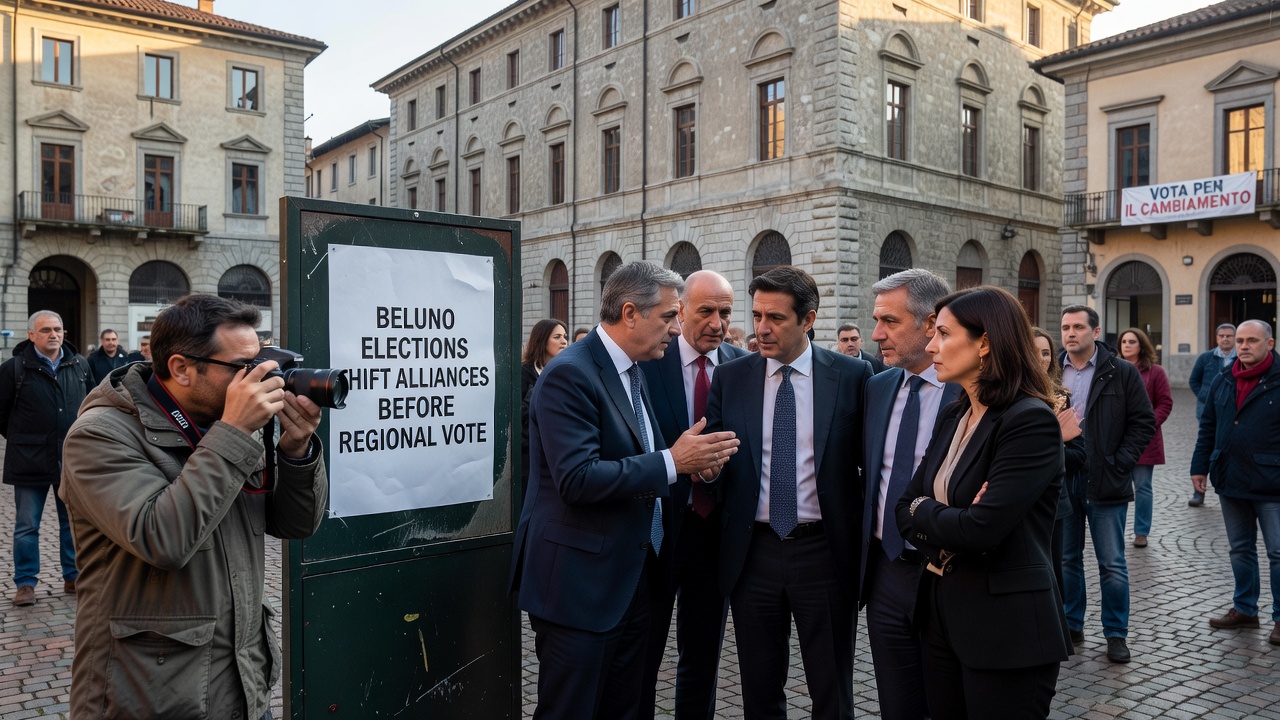
The recent local elections in Beluno have led to notable changes in political alliances, influencing the preparations for the regional vote scheduled later this year. Analysts suggest these shifts may alter the balance of power in key districts across the province. The elections saw surprising results in several towns where traditional voting patterns were disrupted by emerging local issues.
Results and New Coalitions
In the municipal contests, the incumbent mayor's party lost ground to a coalition of independents and green advocates focused on sustainable development and preservation of local traditions. Voter turnout reached 62 percent, reflecting heightened interest in community issues. Several council seats changed hands, prompting negotiations among previously rival factions. This realignment has created opportunities for cross-party cooperation on matters of public interest. The shift also highlights growing concerns over economic disparities between urban and rural areas in Beluno.
Political observers note that the formation of these alliances could consolidate support for candidates favoring increased investment in cultural heritage projects. Beluno's rich history, including its ancient festivals and architectural landmarks, may benefit from such policies if the new groups gain traction. Local businesses tied to tourism are watching closely as these developments unfold.
Looking Ahead to Regional Elections
As parties realign, the regional vote promises to be competitive. The new alliances are expected to challenge the dominant regional party on issues like funding for museums and support for artisans. Experts predict a closer race than in previous cycles. Community leaders emphasize the importance of maintaining Beluno's cultural identity amid political changes. Discussions are underway to ensure that heritage conservation remains a priority regardless of the outcome. The impact on education programs promoting local history is also a topic of debate among stakeholders.